


How to Use a 4-in-1 Pool Test Kit (Step-by-Step Guide)
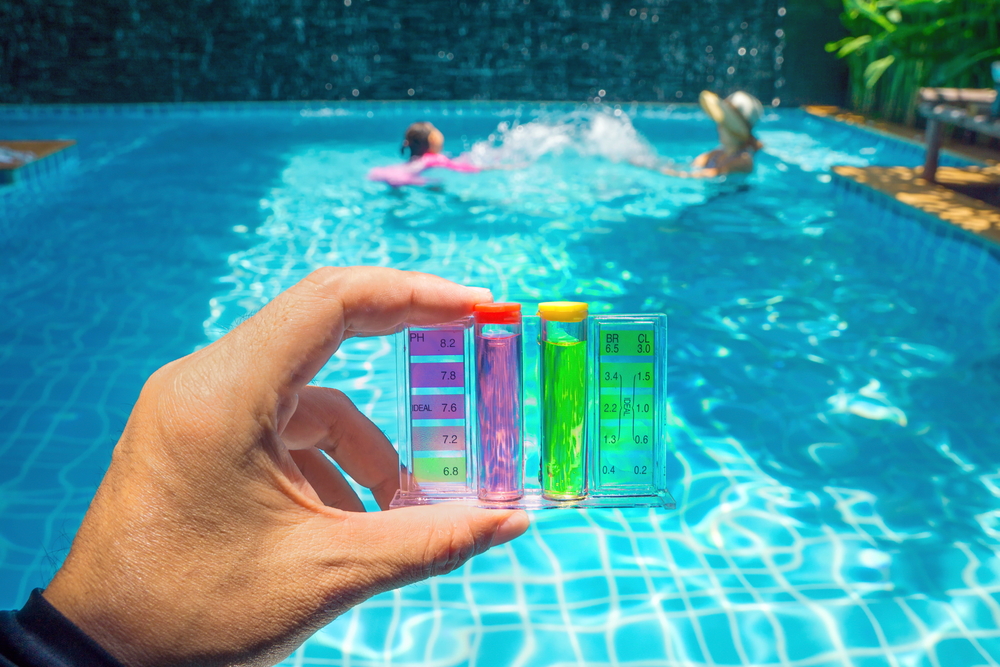

A pool test kit is a set of chemical liquids and tablets that is used to test the acidity, alkalinity, chlorine and pH levels in swimming pools or spas. Note that different pool water test kits are used differently.
Balanced water is the difference between a pool you can jump into and one that turns cloudy, green or harsh on the skin. The good news is that you do not need a pool shop to check it. Learning how to use a 4-in-1 pool test kit takes about five minutes, and it tells you the four things that matter most: your sanitiser level, your pH, how much acid your water needs, and your total alkalinity.
This guide walks through each test on the popular Aussie Gold 4-in-1 test kit, what every reading should be, and what to do when a number lands outside the safe range. The same steps work with Lovibond and Palintest reagents, too, so you can follow along with most liquid kits.
What a 4-in-1 Pool Test Kit Measures
A 4-in-1 pool test kit is a small set of liquid reagents and tablets that reads four parts of your water chemistry. The first is your sanitiser, either chlorine or bromine, which is what actually kills bacteria and algae.
The second is pH, the measure of how acidic or alkaline the water is, which affects swimmer comfort and how well your chlorine works. The third is the acid demand test, which tells you how much acid to add to bring a high pH back into line.
The fourth is total alkalinity, the buffer that stops your pH from bouncing around. Read all four together, and you get a clear picture of what your water needs, whether you run a chlorine or a chlorine, bromine or saltwater setup.
Before You Start - Check Your Reagents and Kit
A pool test kit is only as accurate as the reagents inside it. DPD tablets and liquid solutions have a shelf life of roughly one to two years, so check the dates before you trust a reading. Cloudy liquid, crumbling tablets or solutions that have changed colour are all signs it is time to replace them.
Store the kit somewhere cool, dry and out of direct sunlight, because heat and UV break the chemicals down fast in an Aussie shed or pool box. Rinse the test tubes with pool water before each use, fill to the marked lines exactly, and read the colours in natural daylight rather than under a tinted patio roof.
How to Use a 4-in-1 Pool Test Kit Step by Step
Take your sample from elbow-depth, away from the returns and skimmer, so you are testing the body of the water rather than a freshly dosed pocket. Work through the four tests in order and note each reading as you go.
Testing Free Chlorine or Bromine
- Fill the test tube with a sample of water from your pool.
- Drop a DPD1 tablet into the side marked Cl and Br.
- Replace the cap and shake until the tablet fully dissolves.
- Match the colour against the chart on the tube to read your chlorine or bromine level.
Testing pH
- Fill the tube with a fresh sample of pool water.
- Add a drop of solution #4.
- Squeeze five drops of solution #2 into the water next to the pH markings.
- Replace the cap and shake.
- Compare the colour with the adjacent markings to read your pH.
One thing to watch: a pH below 7.0 can lock out the DPD reaction and make your chlorine read as zero even when it is fine. If your sanitiser test comes back blank, check your pH first and correct it before you trust the chlorine number.
Running the Acid Demand Test
The acid demand test is the step most owners skip, and it is the one that stops you guessing. It tells you exactly how much acid to add to drop a high pH back to the ideal range.
- Using the same sample from the pH test, add solution #3 one drop at a time.
- Count the drops and keep going until the reading reaches 7.2.
- Note the number of drops, then check the acid demand chart in the kit booklet to find the exact quantity of acid your pool needs.
Testing Total Alkalinity
- Fill the tube with pool water up to the total alkalinity line.
- Add a drop of solution #4 and swirl.
- Add a drop of solution #5 and swirl.
- Add solution #3 one drop at a time, swirling between each, counting until the colour shifts from blue to clear or slightly yellow.
- Multiply the number of drops by 10 to get your reading in parts per million (ppm) - the standard unit for measuring dissolved substances in pool water.
What Your Pool Test Kit Readings Should Be
A reading only helps once you know the target. Pools and spas sit in slightly different ranges because spas run hotter and get used harder, so check your numbers against the right column below.
|
|
|
|
|
|
|
|
|
|
|
|
|
|
|
|
|
|
|
|
What to Do When Readings Are Out of Range
One number out of line is normal, especially after rain or a busy weekend. Here is how to read the most common results and bring them back, retesting after 24 hours before you dose again.
|
|
|
|
|
|
|
|
|
|
|
|
|
|
|
|
|
|
|
|
|
|
|
|
|
|
|
|
Testing a Saltwater Pool
A saltwater pool is still a chlorine pool - the chlorinator simply makes the chlorine from salt instead of you adding it by hand. That means a saltwater pool test kit reads exactly the same way: you still test free chlorine, pH and alkalinity with the four steps above.
The one thing a 4-in-1 liquid kit does not measure is the salt level itself. For that you need salt test strips or a digital salt meter, which tells you whether your chlorinator has enough salt to keep producing.
Test your salt level every few weeks and top up as needed, and keep checking chlorine and pH weekly with your standard kit. If you are still weighing up the systems, our guide comparing a saltwater pool versus a chlorine pool breaks down the trade-offs.
How Often Should You Test Pool and Spa Water
Test your pool water at least once a week during swimming season, and more often when conditions change. Heavy use, a heatwave, a big rain dump or a fresh shock treatment all move your numbers, so a quick test the day after is worth the five minutes. Spas need closer attention because of their size and temperature, so check them every two to three days.
Build the habit into a wider routine, and the water rarely gets away from you - our pool maintenance routine lays out the weekly jobs, and after wild weather, the post-storm pool care guide covers what to test and treat first.
4-in-1 Kit vs Test Strips vs Digital Meters
A liquid 4-in-1 kit is not your only option for testing, and plenty of owners use more than one. Here is how the three common methods stack up.
|
|
|
|
|
|
|
|
|
|
|
|
|
|
|
|
|
|
|
|
Liquid kits give you accurate, detailed readings for very little outlay, strips are handy for a fast look between proper tests, and digital meters remove the guesswork of colour-matching if you want lab-style precision.
Troubleshooting Common Testing Problems
Most testing headaches come down to the reagents or the technique rather than the water itself. If a tablet will not dissolve, crush it gently against the side of the tube and shake again, and replace any tablets that have gone crumbly or damp. Colours that look wrong or washed out usually mean old reagents or reading in poor light, so check the expiry and step into daylight.
Results that swing wildly between back-to-back tests point to a dirty tube, an inexact fill line or a sample taken too close to a return jet. Rinse the tube with pool water, fill to the mark and sample from elbow-depth, and your readings will settle. When chlorine stubbornly reads zero, come back to pH first, since a low pH masks the result.
Get Your Pool Testing Sorted
Accurate water starts with a kit you can trust. Browse our full range of pool and spa test kits to find the right one for your setup, stock up on fresh DPD test tablets so your readings stay reliable, and keep a pack of pool and spa test strips handy for quick checks.
Once you have your results, grab the right pH reducers and increasers to bring the water back into balance. After lab-grade precision? The ITS Sensafe digital testing range takes the guesswork out of colour-matching. Everything ships Australia-wide, so you can get back to swimming sooner.
Frequently Asked Questions
How often should I use a 4-in-1 pool test kit?
Once a week as a minimum through swimming season, and more often after rain, heavy use or a shock treatment. Spas need a check every two to three days.
Why does my chlorine read zero when I know I added some?
Either your pH has dropped below 7.0 and is masking the reading, or the chlorine has genuinely been used up by heavy demand. Test and correct pH first, then retest chlorine.
Do pool test reagents expire?
Yes. DPD tablets and liquid solutions last around one to two years. Store them cool, dry and out of sunlight, and replace anything that has gone cloudy, crumbly or discoloured.
Can I test a saltwater pool with a 4-in-1 kit?
Yes, for chlorine, pH and alkalinity, which all read the same way. It will not measure your salt level, though, so use salt test strips or a digital salt meter for that.
Is a 4-in-1 kit better than test strips?
It is more accurate and gives you more detail, while strips are faster for a quick look. Many owners use strips midweek and the liquid kit for their main weekly test.